
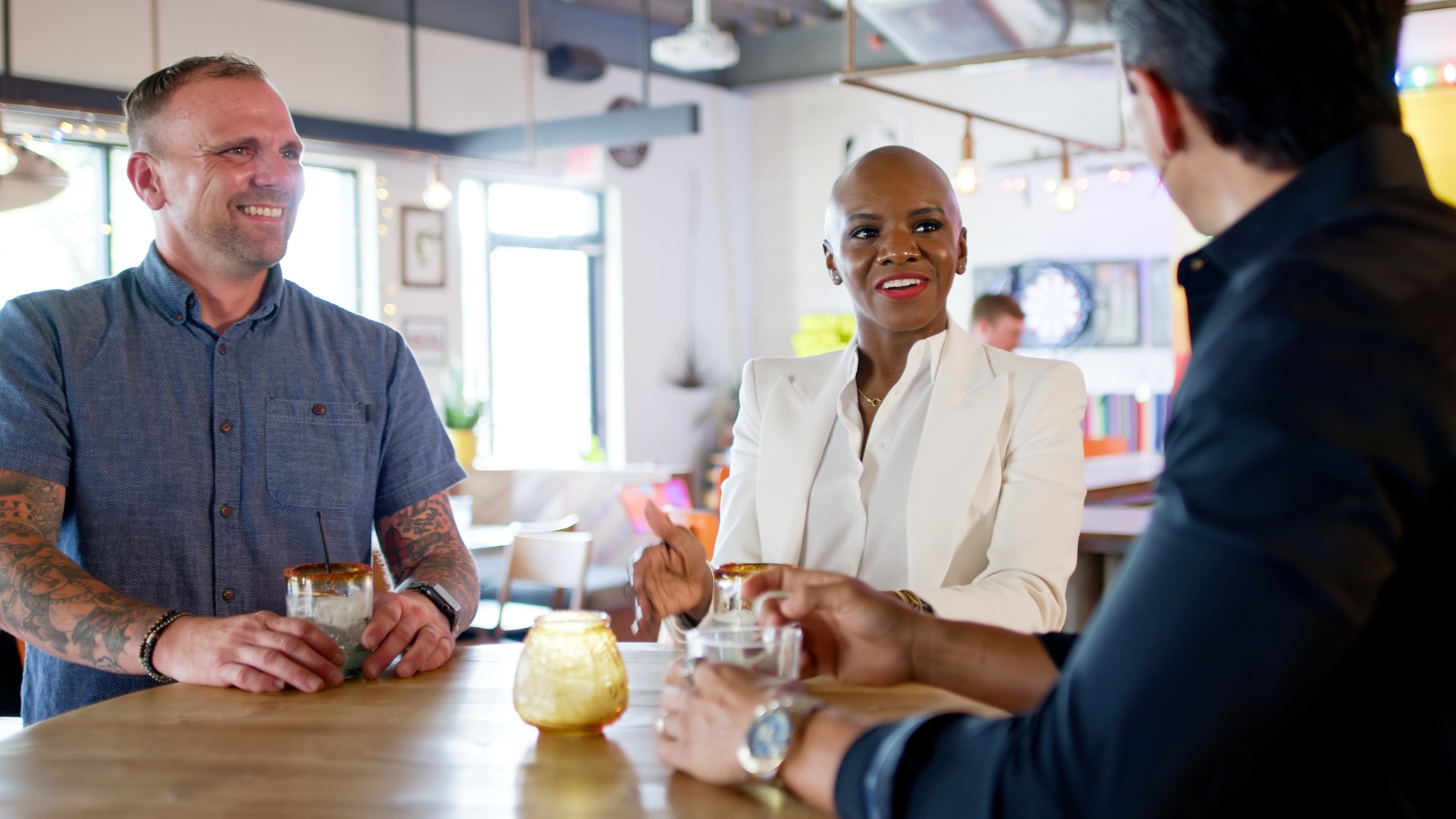
How Social Pressure Can Affect Drinking Habits in Professional Settings
You might think you're choosing that glass of wine at a client dinner, but workplace norms can quietly influence the decision. Toasts, "mandatory" happy hours, networking events, and team bonding at the bar can make saying no feel like admitting you don't belong. Over time, that pressure can affect not only how much you drink at work events, but also how comfortable you feel setting limits around colleagues.
How Social Pressure to Drink Shows Up at Work
Professional drinking culture can be difficult to recognize because the pressure is often indirect. No one has to explicitly demand that you drink for alcohol to feel like part of the job. Understanding how these expectations develop can make it easier to recognize when participation no longer feels voluntary and to make choices that better reflect your own limits.
Social pressure around alcohol often appears through ordinary workplace rituals. Champagne toasts for achievements, drinks after work, client dinners, conferences, and group "rounds" can all make alcohol seem like a normal part of professional participation.
Employees who drink little or not at all may encounter repeated encouragement, questions about why they're abstaining, or jokes about declining. In some workplace cultures, refusing a drink can be interpreted as rejecting the group's social norms or signaling a lack of team spirit.
Phrases such as "just one" or "don't be boring" reinforce the idea that drinking is connected with sociability and belonging. When these interactions happen repeatedly, alcohol can begin to feel less like a personal choice and more like an informal expectation attached to professional relationships.
For employees in Minnesota whose workplace drinking has progressed beyond occasional social pressure into a pattern of dependence, seeking alcoholism treatment in Minnesota can provide structured support before alcohol use causes further problems with health, relationships, or work.
The Psychology Behind Social Pressure Drinking at Work
Workplace expectations can influence drinking even when colleagues never directly pressure someone to participate. People naturally pay attention to how others behave and what appears acceptable within a group, especially when professional relationships or social inclusion are involved.
Self-Determination Theory provides one way of understanding this process. Drinking mainly to avoid criticism, gain approval, or meet other people's expectations reflects a lower-autonomy form of motivation known as external regulation. In practical terms, the behavior is being driven primarily by outside pressure rather than personal preference.
Perceived social norms can reinforce the effect. If employees believe that colleagues expect them to drink at dinners, celebrations, or networking events, they may be more likely to participate even when they would otherwise prefer not to.
This distinction matters because the same behavior can have very different motivations. Someone may genuinely want a drink, while another person orders one mainly because declining feels socially risky. Recognizing what drives the decision can help distinguish personal choice from pressure-driven drinking.
Warning Signs Your Workplace Drinking Is Pressure-Based
One useful sign is repeatedly drinking more than you intended because of the people or setting around you. A strong "round" culture, for example, can make it difficult to stop when everyone is expected to keep buying and accepting drinks in turn.
Pay attention to how you feel before professional events involving alcohol. Worrying that colleagues will judge, exclude, or think less of you if you abstain suggests that social expectations are influencing the decision more heavily than personal preference.
Afterward, hangovers, regret, or repeated thoughts that you "didn't really want that much" can indicate that your limits are being overridden. The same applies if you regularly make plans to drink less but abandon them once coworkers start ordering.
Another warning sign is discomfort with setting boundaries. If phrases such as "one drink won't hurt" consistently persuade you to change your mind, the issue may be less about wanting alcohol and more about finding it difficult to resist group expectations.
How Workplace Stress Can Change Drinking Habits
Social pressure is not the only workplace factor that can influence alcohol use. Stress-driven drinking can develop when alcohol becomes a regular way to decompress after difficult days, manage anxiety about work, or temporarily switch off from professional responsibilities.
A drink after an occasional stressful day is different from relying on alcohol whenever work feels demanding. Patterns become more concerning when drinking starts to feel necessary for relaxation, sleep, confidence at events, or emotional relief.
This coping strategy can also create a cycle. Alcohol may provide short-term relief, but drinking can interfere with sleep, concentration, mood, and next-day functioning. Feeling less rested or productive can then make the following workday more difficult, creating another reason to seek relief afterward.
Looking at the reason for drinking can therefore be as useful as counting drinks. Using alcohol mainly because work feels unbearable or because it seems impossible to socialize professionally without it deserves attention, particularly when the pattern becomes frequent.
How to Decline Alcohol and Still Network Effectively
Not drinking does not prevent you from participating in client dinners, conferences, celebrations, or other professional events. Preparing for situations where alcohol will be offered can make it easier to maintain your decision without turning it into the focus of the evening.
A short response is often enough. Statements such as "I'm good with this, thanks" or "I'm not drinking tonight" communicate your choice without inviting a long discussion. You don't owe colleagues a detailed explanation of your health, medication, recovery status, or personal reasons for abstaining.
Having a non-alcoholic drink in hand can also reduce repeated offers. Sparkling water, soda, or a mocktail allows you to participate in the social ritual without consuming alcohol.
At networking events, shift attention toward the reason you're there. Discuss projects, professional interests, industry developments, travel, or shared interests rather than keeping conversations centered on drinking.
If you expect significant pressure, coordinating with a trusted colleague can help. They may redirect an uncomfortable conversation, accompany you during the event, or simply provide social reinforcement for your decision. You can also limit time spent around drinking games, shots, or other situations where alcohol becomes the main activity rather than a background part of the event.
How to Support Coworkers Who Feel Pressured to Drink
You can reduce workplace drinking pressure by treating another person's decision not to drink as completely ordinary. Avoid asking for explanations, teasing them, repeatedly offering alcohol, or assuming that abstinence must be connected with addiction, pregnancy, religion, medication, or another personal circumstance.
If others continue to pressure a colleague to drink, subtle support can make a difference. Changing the subject, reinforcing that their initial answer is enough, or suggesting another activity can reduce pressure without drawing unnecessary attention to them.
Private communication is preferable if you think someone is uncomfortable. A brief check-in gives them an opportunity to talk without forcing them to discuss their drinking choices in front of coworkers.
If a colleague says that alcohol use or workplace pressure is affecting their well-being, listen without judgment. You can mention resources such as an employee assistance program, a healthcare provider, or a community-based service, but the decision to seek help should remain theirs unless an immediate safety issue requires intervention.
How Employers Can Create a Low-Pressure Drinking Culture
Employees can set personal boundaries, but employers also influence the environment in which those boundaries are tested. When alcohol is consistently the centerpiece of celebrations, networking, or team bonding, abstaining can become unnecessarily conspicuous.
A more inclusive approach makes drinking genuinely optional. Employers can offer appealing alcohol-free beverages, organize activities that don't revolve around bars, and ensure that declining a drink requires no explanation or commentary.
Events themselves can be designed around connection, recognition, or shared interests. Lunches, dinners, coffee gatherings, games, cultural activities, outdoor events, and other formats allow employees to socialize without making alcohol the primary mechanism for participation.
Managers also set the tone. Training leaders to avoid pressuring employees, making jokes about abstinence, or encouraging excessive drinking can help establish clearer expectations. The goal isn't necessarily to eliminate alcohol from every professional event, but to make sure participation, networking, and career visibility never depend on drinking.
Employers can reinforce these changes by reviewing how alcohol is presented at events, ensuring non-alcoholic options are equally visible, and providing education about stress, coping, and substance use. Small organizational choices can reduce the burden on individual employees to repeatedly defend their personal limits.
Conclusion
Drinking may be part of some professional social settings, but it shouldn't determine who belongs, who networks effectively, or who is considered a team player. Paying attention to your motives can help you distinguish a genuine choice from a decision driven by stress or social pressure. Clear boundaries, simple refusal strategies, supportive coworkers, and more inclusive workplace practices all make it easier for people to participate professionally without feeling obligated to drink.